


Polycystic Ovary Syndrome (PCOS) is one of the most common hormonal conditions affecting women, yet it remains widely misunderstood. Around 1 in 10 women in the UK are affected, and research suggests that up to 70% may not know they have it. While the name implies a condition rooted mainly in the ovaries, PCOS is in fact a whole-body endocrine and metabolic condition involving insulin, androgens, inflammation and, as we are increasingly learning, the gut microbiome.
PCOS, nutrition and gut health: how your diet can support hormones, insulin and the microbiome

By Eloise Garbutt
What is PCOS?
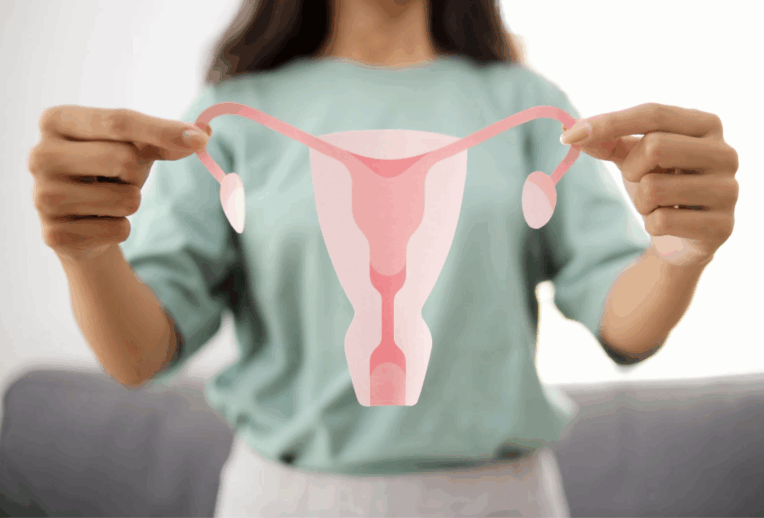
PCOS is a complex hormonal condition with three key features:
- Excess androgens
These are hormones such as testosterone. Everyone has them, but women with PCOS often have higher than expected levels, leading to symptoms such as acne, hirsutism (unwanted hair growth), or hair thinning. - Insulin resistance
Insulin is the hormone that acts like a “key”, allowing glucose (sugar) to leave your bloodstream and enter your cells for energy.
In insulin resistance, those cells become less responsive, so your body produces extra insulin to compensate. High insulin levels can then stimulate the ovaries to produce more androgens- linking these two problems closely together. - Polycystic ovaries
Despite the name, these are not true cysts. Instead, they are many small, underdeveloped follicles around the ovaries. Not all women with PCOS have polycystic ovaries, and not all women with polycystic ovaries have PCOS.
PCOS can vary widely between individuals. Some women experience clear symptoms from their teens, while others only discover it when trying to conceive.
 Symptoms of PCOS
No two PCOS presentations are the same, but common signs include:
- Irregular or absent periods
- Difficulty getting pregnant
- Acne or oily skin
- Unwanted facial or body hair (hirsutism)
- Thinning hair on the scalp
- Weight gain or difficulty losing weight
- Fatigue
- Mood changes such as anxiety or low mood
These symptoms can be distressing, especially as many appear during a socially sensitive time of life. Rates of anxiety and depression in PCOS are three times higher than in the general population- an important reminder that this condition affects much more than hormones.
How is PCOS diagnosed?
 According to NHS guidelines, a diagnosis is made if you meet two of the following three criteria:
- Irregular or absent ovulation
- Clinical or blood test evidence of high androgens
- Polycystic appearance of the ovaries on ultrasound
Importantly, you do not need to have an ultrasound to be diagnosed if the first two features are present.
Once diagnosed, treatment may involve your GP, a gynaecologist, an endocrinologist or a Dietitian- depending on your symptoms and goals.
 Why diet and lifestyle matter so much in PCOS
The international PCOS guidelines emphasise that diet and lifestyle are first-line treatments, even before medication. This is because improving insulin sensitivity, inflammation, stress levels and sleep quality can directly reduce symptoms and restore hormonal balance.
Even a 5% weight reduction (only relevant if someone is above their healthy weight range) can improve ovulation, insulin resistance and fertility. But importantly, you do not need to diet aggressively or lose weight to feel better- many women with PCOS are not overweight.
This is where gut health, blood glucose regulation and plant-focused eating patterns become powerful tools.
 PCOS and the gut microbiome: what we know
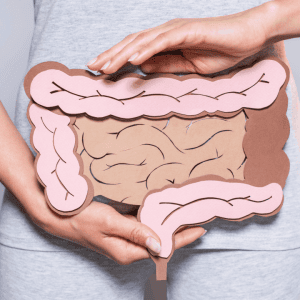
Emerging research shows that women with PCOS often have:
- Lower gut microbial diversity
- More gut permeability
- Higher inflammatory markers
- Different proportions of bacterial species compared to women without PCOS
This microbial imbalance, called gut dysbiosis, may be both a cause and consequence of PCOS. We know:
- Insulin resistance and higher testosterone levels are associated with reduced microbial diversity.
- Low fibre intake is common in women with PCOS.
- Androgens may directly influence gut bacteria, and changes in the gut may also influence androgen production.
This “two-way relationship” between the gut and hormones is one of the most evolving areas of PCOS research. We are learning that improving gut health and micriobial diversity may support blood glucose, inflammation, appetite regulation and even mood- all important when living with PCOS.
The power of low glycaemic index (GI) carbohydrates
A low-GI diet is one of the most helpful and evidence-based strategies for PCOS.
What does ‘low GI’ mean?
The glycaemic index refers to how quickly a carbohydrate-containing food raises your blood sugar.
- High-GI foods (white bread, sugary cereals, pastries) cause quick spikes.
- Low-GI foods (wholegrains, oats, beans, lentils, quinoa, rye, sweet potatoes) release sugars more slowly.
Why is this important in PCOS?
Because steady blood sugar levels → lower insulin levels → reduced androgen production → improved symptoms.
A major review found that low-GI diets were associated with:
- More regular menstrual cycles
- Reduced insulin resistance
- Improved cholesterol levels
- Better overall quality of life
But here’s the extra-good news:
Low-GI Carbohydrates Are Also Great for Your Gut Microbiome!
Many low-GI foods are also high in fibre, and fibre is your gut microbes’ favourite fuel.
Why does this matter?
When fibre reaches your large intestine, your gut bacteria ferment it into short-chain fatty acids (SCFAs) such as butyrate. SCFAs:
- Reduce inflammation
- Strengthen the gut barrier
- Improve insulin sensitivity
- Support healthy appetite regulation
- May positively influence reproductive hormones
So when you choose low-GI wholegrains rather than refined ones, you’re not just supporting blood glucose, you’re also feeding the very microbes that may help regulate PCOS hormones from the inside out.
Examples of low-GI, gut-friendly carbs:
- Oats
- Wholegrain and rye bread
- Lentils and beans
- Quinoa
- Farro, bulgur wheat and barley
- Sweet potatoes
- Brown or wild rice
Aim for variety, as different types of plant fibres feed different microbes.
Practical nutrition tips for PCOS and gut health
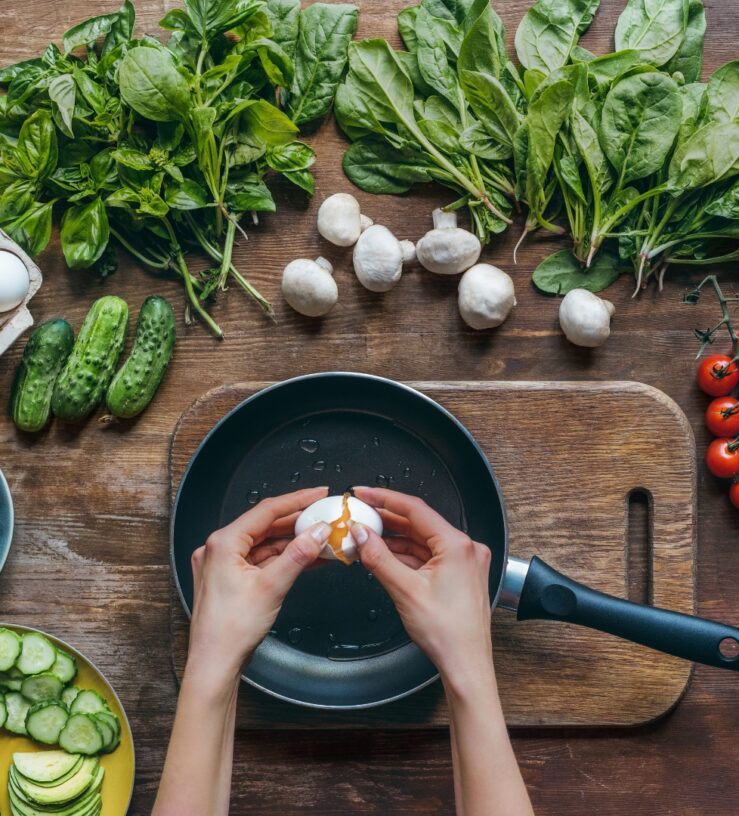
1. Make meals regular and balanced
Skipping meals may cause increased hunger and larger blood sugar swings. Aim for consistent, structured eating patterns.
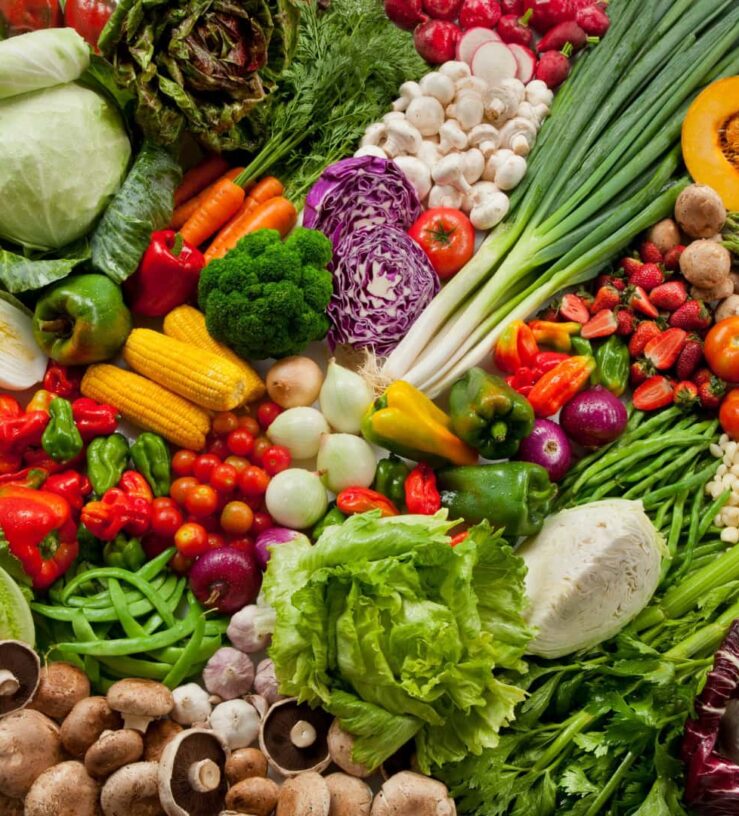
2. Aim for 30g fibre per day
And ideally 30+ different plant foods per week, including foods across the ‘super six’ each day This includes fruit, veg, herbs, spices, nuts, seeds, grains and legumes.
Aim to build by an additional plant portion each week!
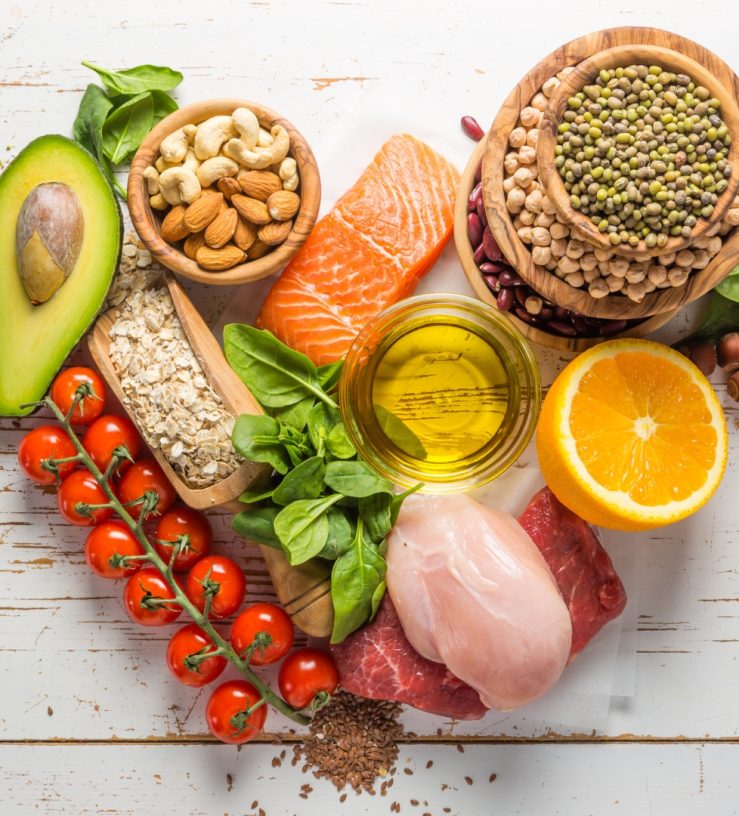
3. Include omega-3s
These can help reduce inflammation.
- Aim for 2 portions of fish a week, 1 of which should be oily (salmon, trout, mackerel, sardines)
- Also include plant sources such as flaxseed, walnuts, pumpkin seeds, chia seeds, rapeseed oil, especially if you are plant-based
- A supplement may be useful in some cases
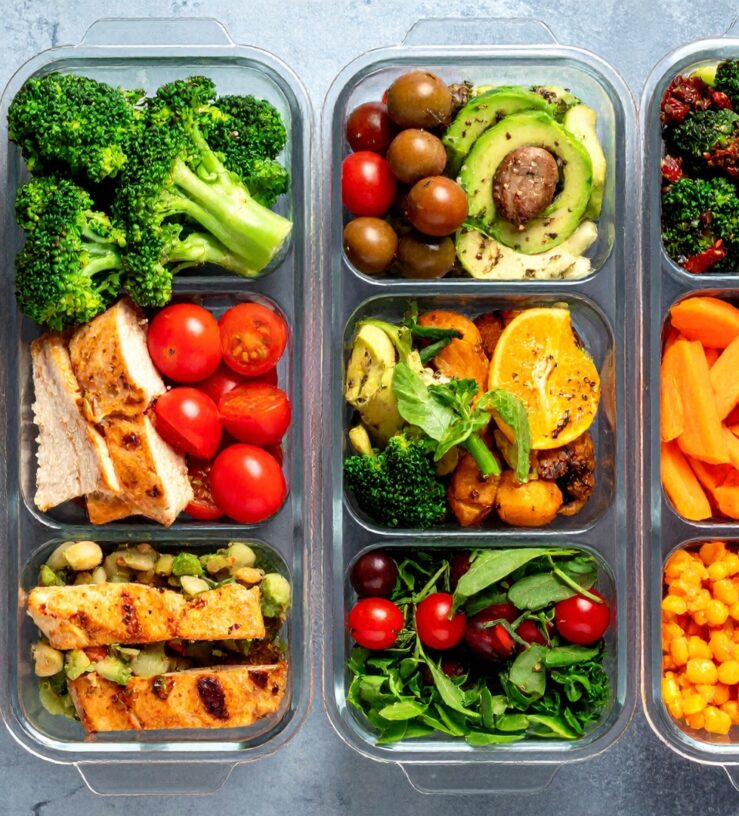
4. Build meals using this PCOS-friendly formula:
- Low-GI carbohydrate (wholegrains, beans, sweet potato)
- Lean protein (fish, poultry, tofu, eggs, Greek yoghurt/kefir)
- Healthy fats (olive oil, nuts, seeds, avocado)
- Plenty of plants (aim for half of your plate to be made up of vegetables, salad, herbs and spices, and fruit for fibre)
This combination lowers the glycaemic index of the meal- great for blood glucose and PCOS symptoms.

5. Prioritise movement
Exercise improves insulin sensitivity and aids the health of your gut microbiome independent of weight changes. Choose activities you enjoy to stay consistent.
- Aim for at least 150 minutes of moderate activity per week with 2 resistance or weight-based sessions
- Try going for a 10-minute walk after your meals to help balance blood sugar and also aid digestion
- Build in movement that feels enjoyable: a walk around the block while calling a friend or listening to your favourite podcast or album is a great mood-boosting activity
- Home-based workout videos can be helpful if getting to a gym is tricky
- Building muscle mass improves insulin sensitivity

6. Look after sleep and stress
Poor sleep disrupts appetite-regulating hormones and can worsen insulin resistance.
Stress keeps the body in a “fight-or-flight” state, raising cortisol, which can increase cravings and intensify symptoms.
- Aim for 7–9 hours of quality sleep each night
- Keep a regular sleep–wake routine where possible
- Try to wind down with calming activities such as reading, stretching or a warm shower
- Relaxation practices such as yoga, gentle walking, guided breathing or mindfulness can be hugely valuable additions to your routine
- Short breaks during the day – even a few slow breaths – can help bring cortisol down
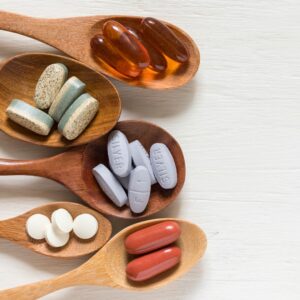 What about supplements?
Some supplements have promising early evidence but should be considered individually:
- Inositol
– May improve insulin sensitivity and support ovulation via its role in cellular insulin-signalling pathways. - N-acetyl cysteine (NAC)
– Acts as an antioxidant and may help promote ovulation, especially in those trying to conceive, with some early evidence. - Omega-3 (EPA / DHA)
– If you’re unable to meeting your Omega-3 needs from food, you may want to consider a supplement providing around 450mg EPA and DHA per daily dose.
– Consider algae-based omega-3 if you’re looking for a more sustainable option.
– Take with food, ideally containing fat, to improve absorption. - Vitamin D
– Deficiency is common in PCOS. Low levels are associated with insulin resistance, inflammation, and worsening metabolic symptoms. Supplementation may improve these markers when deficiency is present.
– In the UK, the NHS advises everyone to consider taking a daily supplement containing 10 micrograms (µg) (equivalent to 400 IU) of vitamin D from October to early March, because there’s not enough sunlight for the body to make sufficient vitamin D in those months. - Vitamin B12
– Especially important if you take metformin, as long-term use can impair B12 absorption – deficiency may contribute to fatigue, nerve issues, or mood changes.
Always discuss supplements with a healthcare professional before starting, particularly if you are pregnant, trying to conceive or breastfeeding.
Putting it all together: small steps, big impact
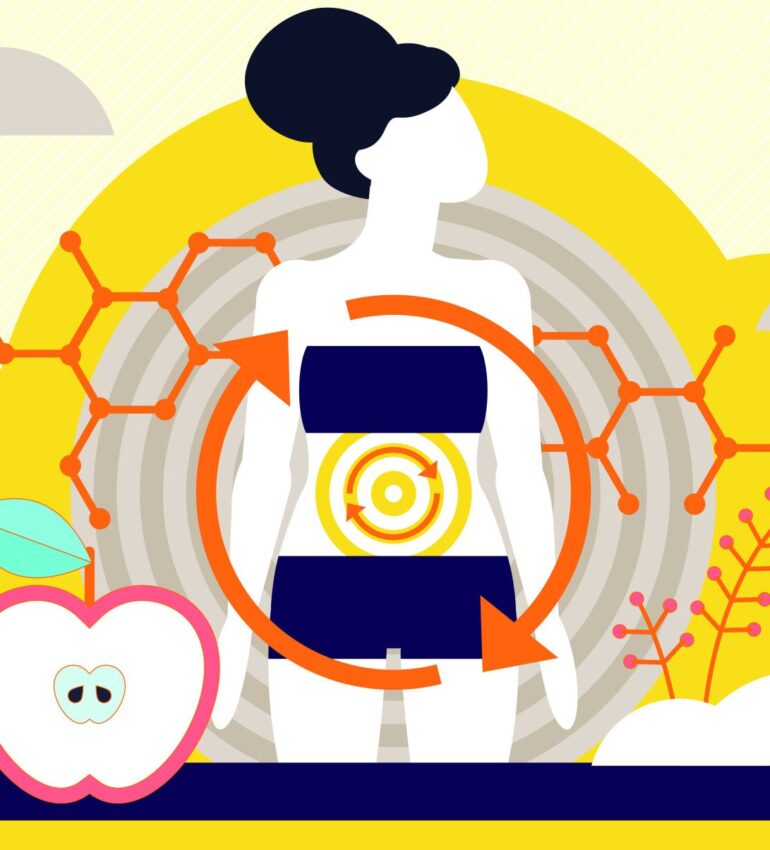
PCOS is a multifaceted condition, but the encouraging news is that diet and lifestyle changes can make a meaningful difference, with or without medication.
By focusing on:
- Low-GI, fibre-rich carbohydrates
- Plant diversity and gut-friendly foods
- Balanced meals and regular eating
- Improving sleep, movement and stress management
…you can support your gut, your hormones and your overall wellbeing.
You do not need perfection. You do not need to cut out major food groups. You do not need extreme diets. Consistent, manageable habits are what create lasting improvements.
If you’re navigating PCOS and would like personalised guidance, working with a Specialist Dietitian can help you understand your symptoms, optimise your gut health and build a nutrition plan tailored to your life.
This article was authored by Eloise Garbutt, a gut specialist dietitian. Do you need support with a symptom, condition or goal? You can book an appointment with Eloise Garbutt or any of our specialist team members here.
References
- Effect of a low glycaemic-index diet on PCOS
Marsh et al. conducted a randomized trial in women with PCOS, comparing a low-GI diet with a conventional “healthy” diet. They found that the low-GI group had greater improvements in insulin sensitivity, a higher rate of menstrual cycle regularity (95% vs 63%) and improved ovulation. PMC+1 - Systematic review on lifestyle interventions in PCOS
A more recent review (MDPI) reported that low-GI dietary interventions are associated with reduced insulin resistance (measured by HOMA-IR), lower fasting insulin, reductions in total and LDL cholesterol, and improvements in hormonal balance. MDPI - PCOS clinical guidelines (FOGSI)
The international PCOS Practice Points from FOGSI (Ob-Gyn society) reference a meta-analysis of 10 RCTs (403 participants), showing that low GI / glycaemic load diets significantly improved HOMA-IR, fasting insulin, waist circumference, and total testosterone.
Related articles


Free 10 step starter guide to good gut health
Everything you need to get started, in one download.
- The four principles behind good gut health, in plain English
- Plant points, and why 30 a week is the number that matters
- 10 practical steps, from fibre and sleep to stress and supplements
- Four gut-loving recipes and a goal-setting worksheet
Over 100,000 people have already joined. Get science-backed gut health advice from Dr Megan Rossi (PhD, RD, APD).