

Why your burping and wind spike over the festive season (and what actually helps)

Clinic Icon

By The Gut Health Doctor Team

Dr Megan Rossi in a lab looking through a microscope

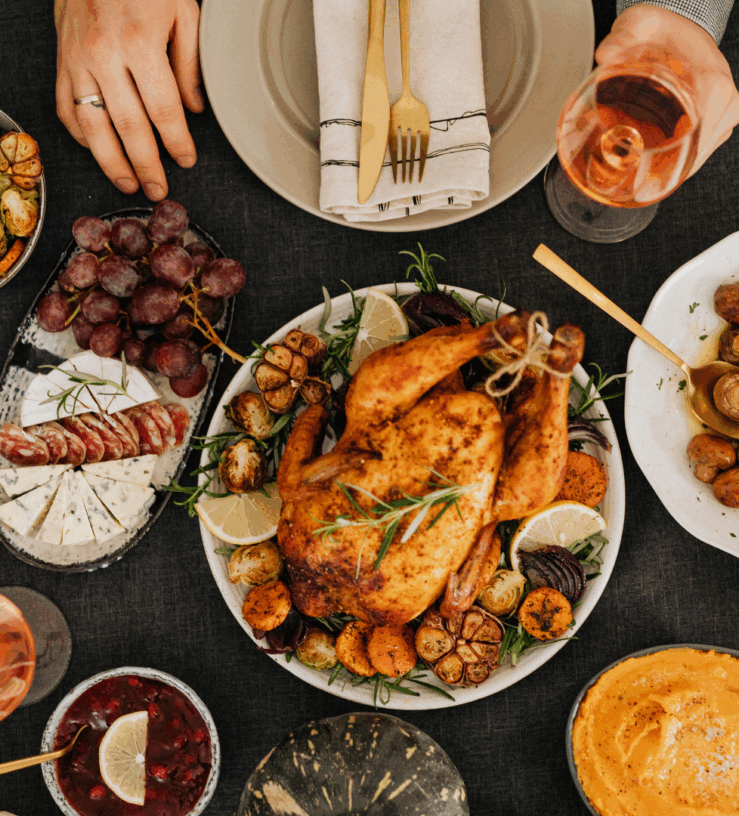
As the festive season fills up with dinners and drinks, many people notice they’re burping more or passing extra wind. Most assume it’s the food, the fizz, or simply eating more. But that’s only part of the story. Why is it that one meal feels completely fine, yet another leaves you battling pressure, bloating or that urgent need to leave the table? And why can two people eat the same festive plate, yet only one ends up uncomfortable?

A surprising truth is that air swallowing, diaphragm mechanics and gut bacteria fermentation can often play a bigger role in burping and flatulence than the food itself. Once you understand the science behind the scenes, the symptoms feel far less random (and far more manageable). Since burping and flatulence share the spotlight this time of year, but come from very different gut processes, let’s unpack each separately so you can understand what’s normal, what’s fixable and what to do next…

When burping becomes bothersome

Burping is simply the release of gas from the upper digestive tract — mainly air that has entered the stomach. Occasional burping is completely normal, but when it becomes frequent, uncomfortable or socially embarrassing, you might be surprised to hear that behavioural factors (rather than specific foods) are usually the key drivers.

The biggest culprit is a condition called aerophagia, meaning excess air swallowing. This happens when too much air, often from unconscious air gulping, travels into the stomach instead of the lungs. Other common culprits include talking while eating, eating quickly, chewing gum, sipping carbonated drinks, and wearing tight waistbands that restrict stomach movement. Stress amplifies all of this. Shallow, rapid breathing tightens the diaphragm, causing people to involuntarily gulp air. Many people also swallow more air when feeling anxious — a brain–gut response that often goes unnoticed.

Here’s where the mechanics matter. When your diaphragm is tense and you’re breathing high in your chest, pressure regulation between your chest and stomach becomes less efficient. That leads to air accumulating in the stomach and being released upward as burping.

Research shows that improving breathing mechanics, especially shifting from chest breathing to slow diaphragmatic breathing, can significantly reduce burping by relaxing the diaphragm, lowering stomach pressure and reducing the amount of air swallowed in the first place.

A simple breathing technique that helps

If burping tends to appear after meals or during stressful social events, a short breathing routine can help regulate both air entry and stomach pressure. Here’s a protocol you can use anytime:

Sit upright with one hand on your chest and the other on your stomach. Inhale gently through your nose for about four seconds. The hand on your stomach should rise, while the hand on your chest stays mostly still — this tells you the diaphragm is doing the work. Hold for two to three seconds, then exhale slowly through your mouth for about six seconds, feeling your stomach fall. Aim for 20 slow breaths before meals or during moments of tension.

In a clinical study published in Clinical Gastroenterology and Hepatology, 80% of patients with reflux and excessive burping saw meaningful improvement after four weeks of daily diaphragmatic breathing, compared with just 19% in the control group. This reinforces that for many people, improving breathing patterns instead of focusing just on their diet can offer real relief.

Other science-backed strategies to reduce burping

  1. Pause between bites
    Putting down cutlery between mouthfuls encourages a slower natural eating rhythm and allows the brain’s fullness signals (which take around 15–20 minutes) to kick in. This also reduces overeating and helps maintain steadier stomach pressure.

2. Chat mindfully
Talking while chewing forces air into the oesophagus (food pipe) instead of the lungs. Social eating is important, but swallowing before speaking can cut down air intake dramatically.

3. Limit chewing gum and fizzy drinks
Both introduce far more air into the digestive tract than most people realise. Fizzy drinks also expand inside the stomach as the gas is released, increasing the urge to burp.

4. Monitor your breathing during stressful moments
Many people don’t realise they air-gulp when anxious — at restaurants, in work meetings, during hosting duties. Check in with your breathing when anxious or rushed, to see if you unconsciously gulp air. If so, use a 10-second reset: breathe in for four, out for six. It’s enough to relax the diaphragm and reduce air intake.

Flatulence and fermentation: what’s really happening

While burping is mostly about air entering or being produced in the stomach, flatulence is about microbes fermenting food in the large intestine.

Your large intestine — the final 1.5 metres of your nine-metre digestive tract — houses trillions of microbes that break down undigested food. During this fermentation process, gases like hydrogen, carbon dioxide and methane are naturally produced.

Passing wind 10–20 times per day is considered normal and reflects a well-functioning microbial community. But frequency, smell and comfort levels can shift significantly based on what and how you’re eating — and the festive season changes all of these variables at once.

Why wind increases around festive eating

Several common festive habits can overwhelm digestion in the upper gut and ramp up fermentation in the lower gut, a perfect recipe for extra gas and a bit more ‘back-end pressure’ than usual.

Larger portions. When the upper gut is overloaded with food, it often struggles to digest food efficiently. Therefore, more undigested food can move into the large intestine, where microbes rapidly ferment, creating more gas.

Eating quickly. Fast eating reduces the prep time for your digestive enzymes and stomach acid, which are needed to break down food before it reaches the large intestine. Less breakdown = more fuel for bacteria = more fermentation.

Alcohol. Alcohol can disrupt the coordination of muscle contractions in the gut (known as motility). Irregular motility means food sits longer in certain areas and moves more quickly through others, both of which increase fermentation and gas production.

Fibre swings (both up and down)
– Sudden decreases (e.g., skipping breakfast to ‘save room’) slow gut movement, giving microbes more time to ferment
– Sudden increases, such as loading up on dried fruit, sprouts or beans, can overwhelm a microbiome that isn’t used to the volume. Research shows gradual fibre increase improves tolerance by encouraging the growth of fibre-loving microbes, a concept we call becoming fibre fit, (aka able to digest fibre without the side effects).

Food intolerances. If you notice an uptick in wind after eating soft cheeses, ice cream or custard, lactose intolerance may be involved. Undigested lactose reaches the large intestine quickly, causing a fermentation surge.

Stress and disrupted sleep. Stress reduces the gut’s ability to transfer gas into the bloodstream (where it’s cleared through your breath – not all gas is released as wind!). When this pathway slows, more gas gets trapped in your gut and must be released as wind. Poor sleep worsens this by raising cortisol, which interferes with this gas transfer.

Practical ways to support comfortable digestion

  1. Stay consistent with meals
    Skipping meals to “save room” often removes your regular fibre sources, particularly laxative fibres like beta-glucan in oats, which help maintain steady gut movement.

2. Increase festive fibres gradually
If your gut is sensitive, start with small portions (¼–½) of sprouts, beans or dried fruit and build up. This helps your microbiome adapt rather than react.

3. Spread plant-rich foods across the day
Rather than a single fibre-heavy lunch or dinner, distribute your plant foods from breakfast to evening to prevent fibre dumping. Your microbes prefer steady fuel, not a single overwhelming fibre dumping.

4. Focus on the first few mouthfuls
A slower start sets the pace for digestion and helps prevent overeating — a key trigger for both burping and gas.

5. Stay upright after larger meals
A gentle walk supports motility and gas movement. Lying down too quickly for that post-meal nap, although tempting, can trap gas and increase reflux too.

6. Stay curious about intolerances
If symptoms consistently follow the same foods, our team of gut specialist dietitians can help you assess whether lactose, FODMAPs or other triggers are involved.

Takeaway

Burping and wind often ramp up during the festive season, but for most people they’re a normal response to big portions, rapid eating, shifting fibre intake, alcohol and stress. Supporting your diaphragm, slowing your pace, spreading out fibre and maintaining regular meals can make a meaningful difference, often within days. If symptoms become persistent, painful or disruptive, a healthcare professional or specialist dietitian can help you explore underlying causes. 

Otherwise, here’s to good food, a calm gut and a festive season where you can enjoy the table, not worry about leaving it.

Illustration of gut with micro bacteria and a quiz sheet

Is your gut healthy?

Take our quick quiz to give you helpful insight into the current state of your gut health. By assessing your symptoms, family history, immunity, mood and other lifestyle factors, you can be informed on the most effective areas to kickstart your own gut health transformation.

Share

Related articles

The Gut Health newsletter shown on an iPad

Sign up for our free newsletter & gut health guide

Not sure where to start on your gut health transformation? Sign up for free and we’ll empower you every month with the latest educational blogs, gut-loving recipes, research updates and helpful resources delivered straight to your inbox. You’ll also receive a downloadable guide with an intro to gut science, practical advice and exclusive recipes. Lots of support and no spam.