
Nutrition and the gut microbiome: what we know, what we don’t and what’s next

Clinic Icon

By The Gut Health Doctor Team

Dr Megan Rossi in a lab looking through a microscope

If nutrition feels more complicated than ever, you’re not imagining it. We’re living through one of the most exciting chapters in nutrition science. The discovery of the gut microbiome, the trillions of microbes living inside us, has fundamentally reshaped how we understand the relationship between food and health. It’s opened new doors, new hypotheses and, in many ways, an entirely new language.

But this scientific breakthrough is unfolding in the age of social media. Information (and misinformation) spreads at speed. Advice is shared in seconds. Products are launched before the evidence has caught up. And for many people, it’s becoming harder to know what, or who, to trust. So, let’s take a grounded look at where the science truly stands, what’s genuinely promising, and where we need to slow down.

Why even the “basics” aren’t that basic

Many nutrition conversations still begin with calories. Yet even this long-standing cornerstone is far more complex than it appears. Research now shows that our bodies can absorb up to 30% fewer calories from foods like almonds because of the way their physical structure interacts with digestion. In other words, while nutrition labels offer useful estimates, they’re not fixed truths. Food isn’t just maths, it’s biology.

The same complexity applies to ultra-processed foods (UPFs). The NOVA classification system has been valuable in starting important conversations, but it’s far from perfect. For example, nutrient-fortified plant milks can be categorised alongside highly altered baked goods (with ingredient lists 5 times as long as they need to be) simply because they contain added minerals. That lack of nuance matters, particularly for people who rely on these products as part of their everyday nutrition.

When systems designed to simplify nutrition instead create confusion, it’s a signal that we don’t need louder debates, but we do need better tools.

Personalised nutrition: exciting idea, early evidence

The microbiome has sparked huge interest in personalised diets, the idea that we can predict which foods are best for us based on our microbes or blood sugar responses.

It’s an exciting long-term goal. But right now, the evidence simply isn’t strong enough to support bold clinical promises. There are still thousands of gut bacteria we haven’t identified, and entire microbial communities (like the virome and mycobiome) that we barely understand. Expecting an app or algorithm to produce precise, clinically meaningful dietary prescriptions at this stage is unrealistic.

That doesn’t mean personalised approaches aren’t helpful for behaviour change. But when marketing races ahead of the science, it’s easy to feel confused, and people may spend their hard-earned money on solutions that don’t deliver.

The widening gap between science and everyday nutrition

While millions of pounds flow into personalised nutrition technologies, the fundamentals of public health nutrition are being left behind. In UK schools, children now consume a greater proportion of processed meat than adults, despite long-standing guidance to limit its consumption. For many families, diet isn’t about microbiome mapping or metabolic testing. It’s about access, affordability and education.

This mismatch raises an important question. How do we push nutrition science forward without leaving entire communities behind? The truth is, innovation means very little if it only benefits the few.

When evidence exists but isn’t implemented

Probiotics highlight this problem perfectly. We have international clinical guidelines outlining which specific strains and doses help with certain conditions. You need the right strain, at the right time, in the right way – the science is clear here. Yet we’re still being sold general “one-size-fits-all” probiotic blends with little or no supporting evidence, and unfortunately, these products are often most visible in shops and online. This is not a science gap. It’s a translation gap, and it reinforces why responsible communication matters so much.

What the science still agrees on

Despite the noise, the core dietary foundations remain incredibly consistent.  For example, a Mediterranean-style dietary pattern, which is rich in diverse plants, whole foods, legumes, nuts, seeds, fermented dairy and healthy fats (think extra virgin olive oil and omega-3 rich fish), continues to have the strongest evidence for supporting long-term health. From the SMILES trial, which explored its positive effects on reducing symptoms of depression, to a focus on longevity through the University of Bergen, and also new research which is investigating its link with reduced cognitive decline (focusing on conditions like Alzheimer’s). The microbiome field isn’t overturning these principles. It’s refining them.

For example, we now understand more about:

1. Non-sugar sweeteners, which the World Health Organisation (WHO) and Scientific Advisory Committee on Nutrition (SACN) advise caution against.  Emerging research suggests that some sweeteners may disrupt the gut microbiome, altering the balance of beneficial bacteria and potentially affecting blood sugar control and appetite regulation. In other words, reducing added sugars is important, but replacing them with large amounts of non-sugar sweeteners isn’t a free pass for gut health.

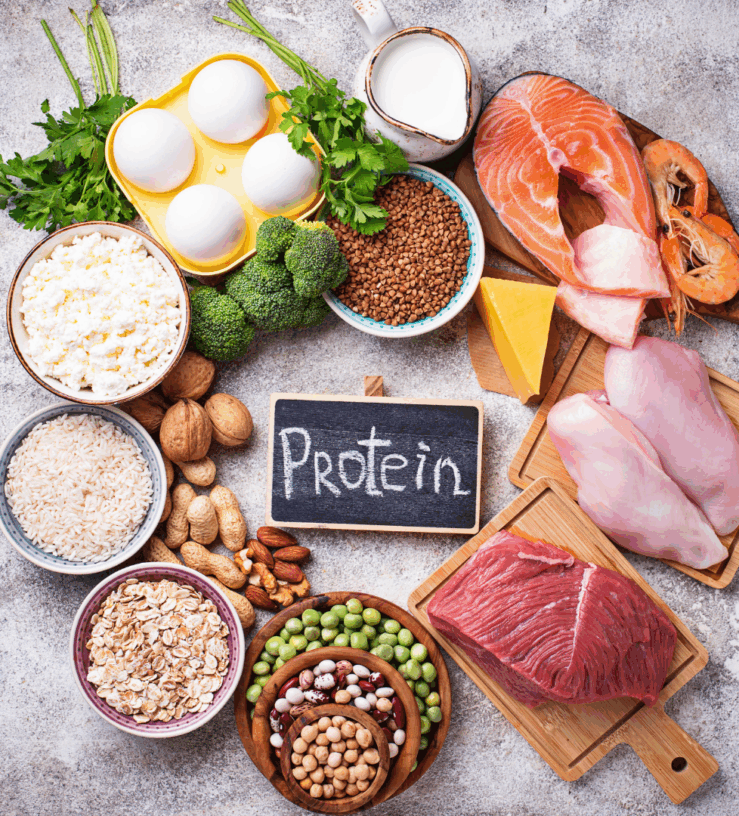
2. The potential downsides of excessive protein, especially from supplements. Excessive protein intake can place extra demands on the gut, with undigested protein reaching the large intestine where it’s fermented by bacteria, producing potentially harmful by-products. Over time, this may contribute to gastrointestinal discomfort and inflammation.

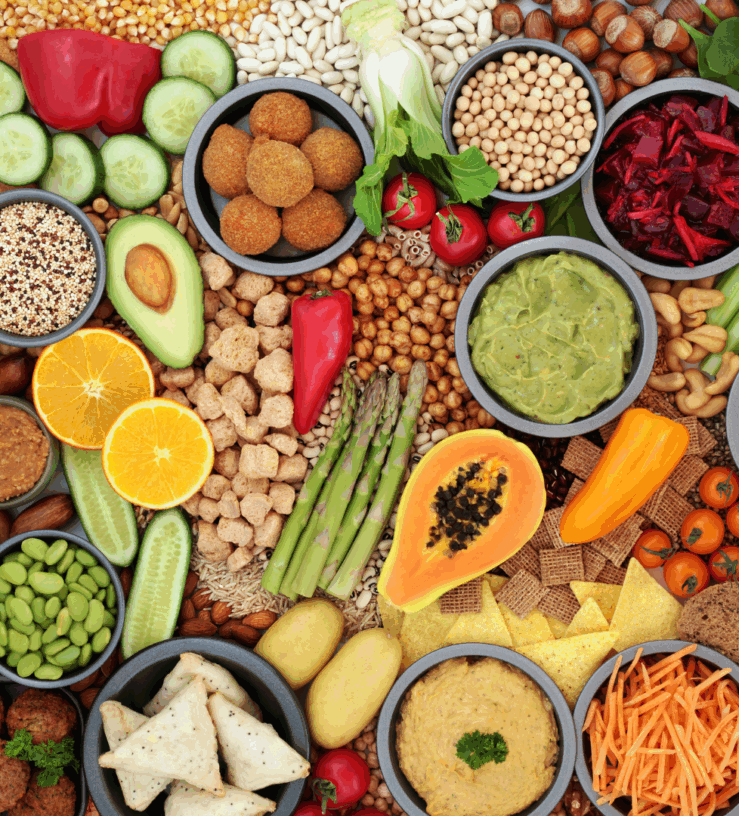
3. The benefits of plant diversity, not just plant quantity. Different plants contain different fibres and polyphenols, each feeding different microbes in your gut. A wider range of plants supports a more resilient and diverse microbiome, which is consistently associated with better health outcomes. So it’s not just about piling your plate high with greens, it’s about mixing up your plants across the Super Six across the week.

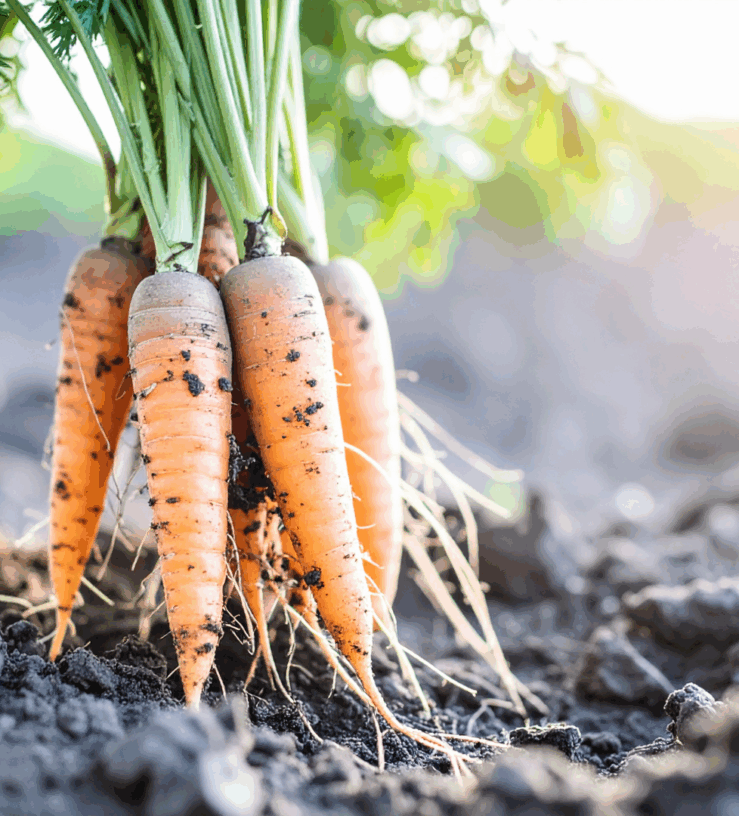
4. The fact that plants themselves carry beneficial microbes. Fresh fruits, vegetables, legumes and wholegrains naturally carry microorganisms from the soil and their growing environment. These microbes can interact with our gut ecosystem and may help promote microbial diversity. This is one of the reasons minimally processed plant foods offer benefits that go beyond their nutrient (fibre included) content alone.

5. How additives like emulsifiers may interact with the gut. Research from Megan’s team at King’s College London (the double-blinded ADDapt study in people with Crohn’s disease) suggests that some emulsifiers may alter the gut lining and microbiome in ways that could exacerbate gut inflammation in susceptible individuals. While additives help improve texture and shelf life, these findings remind us that ultra-processed foods can behave very differently in the gut compared with whole or minimally processed options.

Food reformulation: a growing challenge

Walk down any supermarket aisle, and you’ll see foods that look the same on the outside but are worlds apart on the inside. Something as simple as a wrap can contain three ingredients in Brand A: flour, extra virgin olive oil, water, salt, while Brand B includes 15 additives, flour, gums, emulsifiers, stabilisers, preservatives, sugars, saturated fats. 

As microbiome science advances, we’ll need more thoughtful approaches to food reformulation. But we must avoid past mistakes. Replacing fat with sugar (and more recently, sugar with non-sugar sweeteners) taught us that quick fixes rarely work.

Modern metabolomics (the study of all the chemicals in our body and food that we make through all different processes) shows that food contains thousands of compounds, each interacting with our microbes in unique ways. Nutrition isn’t about demonising single ingredients, but it’s about understanding the whole picture.

So where do we go from here?

The next era of nutrition holds promise. The microbiome will undoubtedly reshape how we think about food, health and disease. But we need to move gently, carefully and collaboratively.

That means:

  • Building strong evidence before making strong claims
  • Supporting public health initiatives, not just personalised tools
  • Improving food environments, not only individual choices
  • Making nutrition advice accessible, not elitist
  • Staying transparent about what we know, and what we don’t

The future of nutrition is bright, but only if we let evidence, not hype, lead the way.

Illustration of gut with micro bacteria and a quiz sheet

Is your gut healthy?

Take our quick quiz to give you helpful insight into the current state of your gut health. By assessing your symptoms, family history, immunity, mood and other lifestyle factors, you can be informed on the most effective areas to kickstart your own gut health transformation.

Share

Related articles

The Gut Health newsletter shown on an iPad

Join our free newsletter & get your 10-Step Starter Guide

Whether you’re new to gut health or a seasoned pro looking to stay up to date with the latest science, our free bi-weekly newsletter is designed to support you. You’ll receive digestible, evidence-led articles, gut-loving recipes, research updates and practical resources, all delivered straight to your inbox. You’ll also get exclusive access to our downloadable 10-Step Starter Guide, a practical resource to help you build strong foundations for gut health using our core principles.
Plenty of support and no spam.