

Leaky gut: what it really means (and what actually helps)

Clinic Icon

By The Gut Health Doctor Team

Dr Megan Rossi in a lab looking through a microscope

If you’ve spent any time on social media or in the health media lately, chances are you’ve heard someone talk about having a “leaky gut”. Maybe you’ve even wondered if it could explain your own symptoms like bloating, fatigue, brain fog, skin flare-ups or digestive discomfort.

And while the term gets thrown around a lot online, the truth is a little more nuanced (and far less scary) than many headlines suggest. Here’s the key thing to know: a “leaky gut” is real. But “leaky gut syndrome” is not a recognised medical diagnosis.

That distinction matters because understanding what’s actually happening inside your gut can help you focus on strategies that genuinely support your health, rather than restrictive diets or expensive supplements that promise to “heal” your gut overnight. Let’s digest the science…
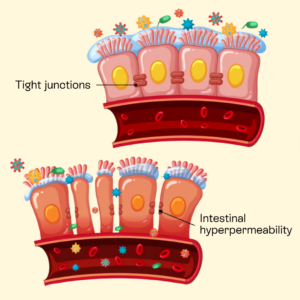
First things first: what is a “leaky gut”?

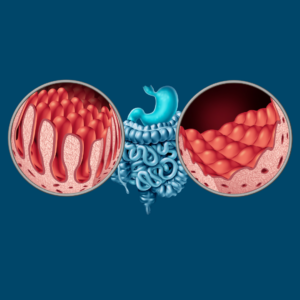
Your gut lining is incredibly clever. Think of it as a highly selective security barrier. Its job is to let the good stuff through – nutrients, water and beneficial compounds from food – while keeping the harmful bits, think toxins and inflammation-causing microbes, out.

This barrier is made up of tightly packed cells joined together by structures called tight junctions. You can think of them like tiny checkpoints or trap doors that open and close to carefully regulate what passes into the bloodstream.

Under certain circumstances, these junctions can temporarily loosen. We call this intestinal hyperpermeability, more commonly referred to as “leaky gut”. When this happens, the gut lining becomes slightly more permeable than usual, meaning it makes it easier for things that shouldn’t enter your bloodstream to do so. But be rest assured, your body is pretty smart, and has other lines of defence so this doesn’t automatically mean disease, toxicity or that your gut is broken.

A leaky gut can happen to all of us

Temporary increases in gut permeability happen in healthy people all the time. Some common triggers include:

  • Drinking more that a glass or two of alcohol
  • Eating a very high-fat meal
  • Intense exercise  (think HIIT or prolonged exercise like a marathon)
  • Mental stress
  • Some medications e.g. ibuprofen 
  • Gut infections e.g. traveller’s diarrhoea 

One fascinating study from KU Leuven examined students’ experience with public speaking. Researchers found that students with higher levels of stress hormones also showed increased gut permeability. In other words: stress tummy is a real thing, and a leaky gut is a symptom of that. The good news? Once the trigger is removed e.g. the stress, the gut lining tightens back up again without causing long-term problems. Your gut barrier is dynamic and resilient, not fragile.

When gut leakiness does matter

There are certain health conditions where increased gut permeability is involved. For example, with coeliac disease, exposure to gluten triggers an immune reaction that damages the gut lining and increases permeability. Once gluten is removed, the gut barrier can begin repairing itself. Similarly, during flare-ups of inflammatory bowel disease (IBD), the gut lining becomes more permeable as part of the inflammatory process. But importantly, we see this leakiness as a consequence or symptom of disease activity, not the root cause. That’s a very different message from the idea that “leaky gut” is behind every symptom under the sun.

Can a leaky gut cause fatigue, anxiety or autism?

This is where things become more controversial online. Some alternative health practitioners claim that a leaky gut allows toxins to leak into the bloodstream and travel to the brain, supposedly triggering conditions like ADHD, depression, anxiety or autism.

But there simply isn’t convincing evidence to support these claims at this stage. Yes, the gut and brain are deeply connected through the gut–brain axis. We know gut microbes can influence immune function, mood signalling and inflammation. But that’s very different from saying that a “leaky gut” directly causes neurological or developmental conditions. This distinction matters, particularly when people are understandably looking for answers and are being sold restrictive diets, expensive tests or supplements that promise to “heal” their gut.

The problem with restrictive “gut healing” diets

One of the biggest concerns with the leaky gut trend is the rise of highly restrictive eating plans. Many advise cutting out:

  • Gluten
  • Dairy
  • Fruit
  • Grains
  • Legumes
  • Starchy vegetables

Some even recommend avoiding entire food groups long-term in an attempt to heal the gut lining. But unless you have a medically diagnosed intolerance or condition, unnecessarily restrictive diets can actually work against gut health. Why? Because your gut microbes thrive on diversity.

Research consistently shows that eating a wide variety of plant foods supports a healthier and more diverse gut microbiome, and diversity is one of the strongest markers of gut health we know. One study published in Nature (a top science journal) even found that healthy people following a low-gluten diet experienced reductions in several beneficial gut bacteria. So while cutting foods out may feel like the answer, in many cases, the better question is: what can you add in?

What actually supports a healthy gut lining?

Many of the habits that support overall gut health also help support your gut barrier. Here are some evidence-backed strategies worth focusing on.

1. Feed your microbes more fibre

Your gut bacteria produce compounds called short-chain fatty acids when they eat (aka ferment) fibre. One of these compounds – butyrate – plays an important role in supporting the cells lining your gut.

Aim to gradually increase:

  • Beans and lentils
  • Oats
  • Nuts and seeds
  • Wholegrains
  • Vegetables
  • Fruit

And remember, variety matters it’s not just about quantity.

2. Focus on your Super Six

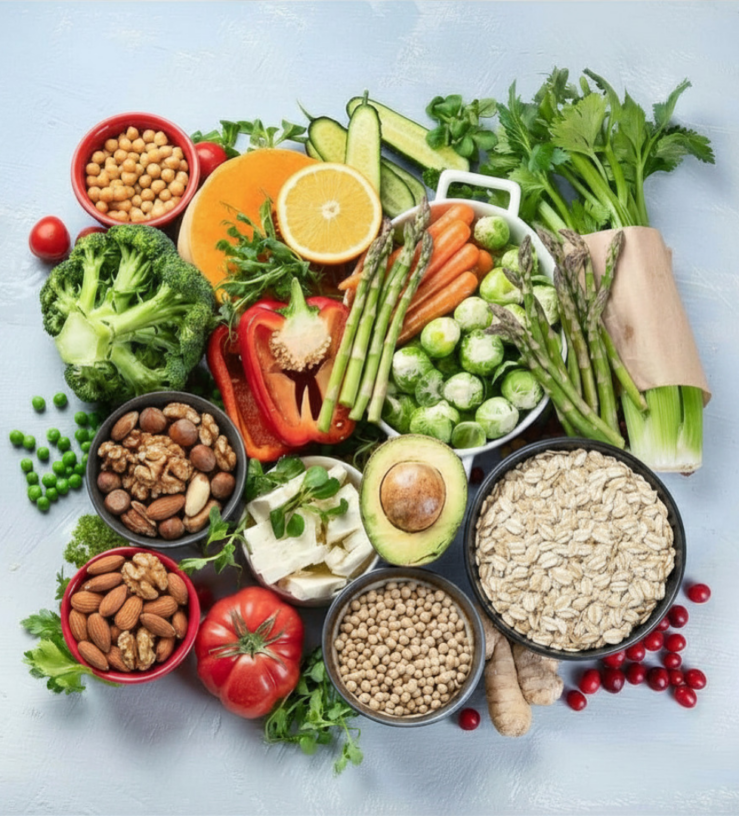
One practical way to support microbial diversity is by including the Super Six in your daily diet (vegetables, fruits, wholegrains, legumes, nuts and seeds, plus herbs and spices). Even small additions count. Try sprinkling mixed seeds onto your breakfast bowl or adding herbs to your dinner to help nourish different groups of microbes.

3. Don’t underestimate stress

Your gut and brain are in constant communication through the gut–brain axis. That means chronic stress can genuinely influence digestion, gut sensitivity and even gut permeability. Helpful strategies might include gentle movement like yoga, breathwork, spending time outdoors, making time for social connection or even mindfulness practices. Whatever works best for you – just pick a habit you enjoy and can stick to.

4. Go easy on the “quick fixes”

Be cautious of anyone selling expensive gut permeability tests, extreme detoxes, supplement protocols, or fear-based food lists. Right now, there is no validated clinical test used routinely to diagnose so-called “leaky gut syndrome” in otherwise healthy people. And there’s no single supplement proven to magically repair your gut lining overnight. Your gut is not a broken pipe that needs sealing. It’s a living, adaptive ecosystem.

When should you seek medical advice?

Persistent digestive symptoms should always be properly assessed. Speak to your GP or healthcare professional if you experience:

  • Unexplained weight loss
  • Ongoing diarrhoea
  • Blood in your stool
  • Persistent abdominal pain
  • Anaemia
  • Severe fatigue
  • Symptoms that regularly disrupt daily life
  • A strong family history of bowel disease

Conditions such as coeliac disease, irritable bowel syndrome (IBS) and inflammatory bowel disease require proper diagnosis and management.

Takeaway

A “leaky gut” is a real biological phenomenon, but it’s not a catch-all diagnosis explaining every symptom under the sun. In most cases, increased gut permeability is temporary, influenced by factors like stress, alcohol, illness or inflammation, and your body is remarkably good at restoring balance.

Rather than fearing food or chasing restrictive “gut healing” plans, focus on the foundations that genuinely support your gut, such as more plant diversity and fibre, sustainable habits, and additional support when needed. If you have any concerns and would like more personal advice, the team at The Gut Health Clinic can support you.  A good clinician won’t dismiss your symptoms or experiences, but they will help separate what we know from what we don’t, explain the evidence in a way that makes sense, and work with you to build a personalised plan based on the best available science – rather than empty promises.

Share

Related articles

Get Your Free 10-Step Guide & Start Improving Your Gut Health Today

You’ll instantly get a practical, science-backed roadmap designed to help you:

  • Improve digestion and reduce common gut symptoms
  • Build a healthier microbiome with simple daily habits
  • Understand what actually works (and what’s just hype)
  • Feel more confident about the food choices you make

Join thousands learning how to support their microbiome with science-backed advice from Dr Megan Rossi (PhD, RD).