


Fungi and the gut microbiome: when they matter and when they don’t

Clinic Icon

By The Gut Health Doctor Team

Dr Megan Rossi in a lab looking through a microscope

Does the idea of fungi living in your gut make you slightly uncomfortable? Most of us associate fungi with mould on food or infections like athlete’s foot, not something quietly living inside our bodies. Yet fungi are a completely normal part of the microscopic ecosystem that lives on and inside us.

In fact, it even has its own name. The fungal component of your gut microbiome is called the mycobiome and, although it accounts for only a tiny fraction of the microbes in your gut, researchers – including Megan’s team at King’s College London – are increasingly interested in how it interacts with bacteria and the immune system. But with social media increasingly blaming fungi for almost any disruption in the gut, it’s worth exploring when fungi genuinely matter for digestive health, and when they are simply part of the background ecosystem. So what’s hype, what’s supported by evidence, and what actually matters for your gut? Let’s digest…

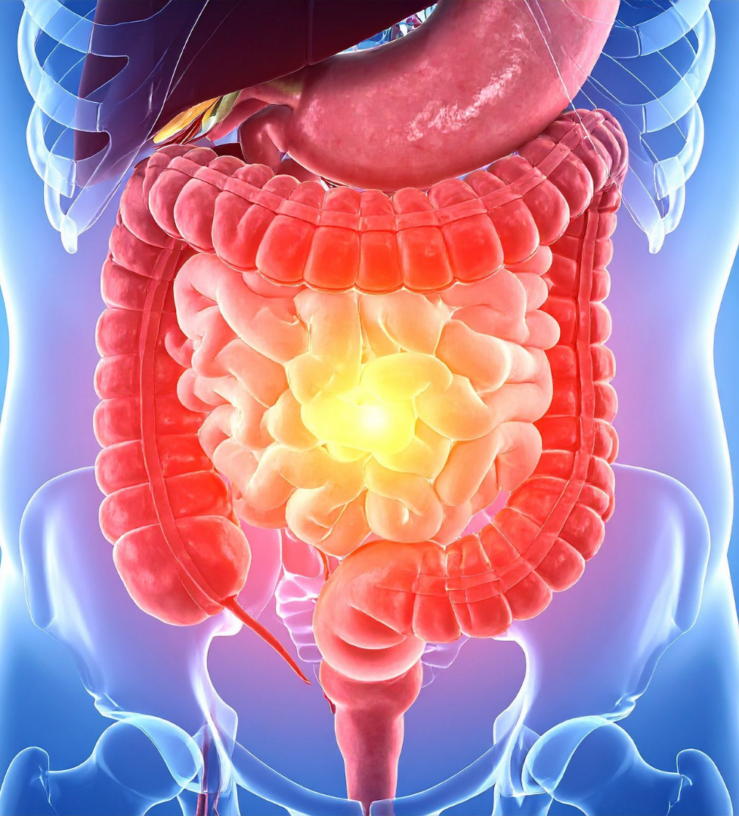
Your gut microbiome includes fungi

When people talk about the gut microbiome, bacteria usually steal the spotlight. But in reality, your gut is home to a much broader ecosystem that also includes fungi, viruses and other microorganisms. Although fungi make up less than 0.1% of the microbes in the gut, their larger size and unique biology mean they still play a meaningful role in your overall gut health.

While the concept of having fungi in your gut may initially sound concerning, it’s important to know that it is completely normal and may even be beneficial for your immune and wider health.

Beneficial things fungi can do:

  • Help keep bacterial balance in check 
  • Train the immune system in the gut lining 
  • Produce chemicals that influence the gut–brain axis 
  • Protect the gut from pathogens overstaying their welcome 

Most people carry these microbes without any digestive symptoms, with healthy people shown to house species from the Candida, Saccharomyces, Malassezia and Cladosporium fungi groups.  In most cases, fungi simply coexist alongside bacteria as part of the microbial ecosystem. In other words, simply having fungi in your gut isn’t a red flag – it’s part of being human.

What counts as fungi in everyday life?

When people hear the word fungi, they often think of mushrooms. And they’re right, mushrooms are fungi. But fungi also include microscopic organisms such as yeasts and moulds, many of which appear in everyday foods and environments. For example, the yeast used to make sourdough bread is a type of fungi, and the probiotic Saccharomyces boulardii is a type of yeast.  So while both bacteria and fungi are microbes, they belong to completely different biological groups and play different roles in the gut.

How fungi end up in the gut

Fungi are constantly moving in and out of your gut as part of everyday life. Like bacteria, some we pick up from birth, and live on the skin, in the mouth and throughout the digestive tract. Others join the community as we age, coming from the environment or from the foods we eat.

Compared to our gut bacteria, fungi tend to be more transient, passing through the digestive system and interacting with the microbiome rather than permanently colonising it in large numbers. So essentially, in a healthy gut, fungi and bacteria exist in balance, helping to regulate each other.

When balance is disrupted

Most of the time, this system ticks along without you even noticing it. But certain factors can disrupt microbial balance, allowing some microbes to expand beyond their usual levels, which may then contribute to symptoms.

Risk factors for imbalances include:

  • Antibiotics 
  • Reduced stomach acid from certain medications 
  • Immune suppression 
  • Intestinal surgery
  • Conditions that affect gut motility e.g. gastroparesis 

In some situations, there is growing evidence that this imbalance may contribute to small intestinal fungal overgrowth, also known as SIFO. Because symptoms can overlap, it’s easy to confuse several different gut conditions. Here’s a simple way to think about the differences.

Irritable Bowel Syndrome (IBS)This is a disorder of the gut–brain interaction involving changes in gut sensitivity and gut movements. IBS is the most common of the three and affects around 1 in 10 people.

Small Intestinal Bacterial Overgrowth (SIBO)This is a better-studied condition where bacteria overgrow, or become excessive, in the small intestine (higher up in your 9-metre digestive tract). In healthy people, dietary fibre is mostly fermented in the large intestine (lower down your digestive tract). But in SIBO, bacteria ferment food higher up your intestine, which is more sensitive, and therefore can trigger bloating and abdominal discomfort.

Small Intestinal Bacterial Overgrowth (SIFO)Unlike SIBO, which has been studied for decades, SIFO has a much smaller evidence base. In some studies, about 25% of people with unexplained digestive symptoms had evidence of fungal overgrowth, most commonly Candida species. However, these studies involved relatively small numbers of people, and the diagnostic method (taking a fluid sample from the small intestine during endoscopy) is not routinely used in everyday clinical practice. On top of that, symptoms of SIFO can look almost identical to SIBO, making it difficult to know whether fungi are truly driving symptoms or are simply present alongside other gut imbalances.

This is why, in practice, IBS and SIBO are usually assessed and managed first: they are more common, better understood, and have clearer treatment approaches. If they don’t work, in some cases, antifungal medication may be trialled, but these don’t come without risks.

Candida does not automatically mean disease

A common misconception online is that detecting Candida in the gut automatically means something is wrong. In reality, Candida species are frequently found in healthy people with no symptoms. This is one reason clinicians are cautious about interpreting results from at-home stool tests that claim to diagnose candida overgrowth.

This is where a lot of online advice goes wrong – presence doesn’t equal problem. Many online programmes promote strict “candida diets” that eliminate sugar, fruit and sometimes gluten. However, the scientific evidence supporting these approaches is limited. One study published in the American Journal of Clinical Nutrition gave volunteers about 27 teaspoons of sugar per day for a week (not that we’d ever advocate this, but it was helpful to make a point) and found no difference in Candida levels or digestive symptoms. Removing fruit is also likely to reduce your overall fibre intake and other anti-inflammatory plant chemicals.

Supporting a healthy microbial balance

If you spend a lot of time on social media, it’s easy to come away thinking that SIFO (and fungi more broadly) are behind most gut symptoms. This can make restrictive approaches, like the anti-candida diet, seem appealing if you’re trying to get to the bottom of your symptoms.

But it’s important to come back to your gut health foundations, nurturing a diverse microbiome through the foods you eat and the daily habits you practise. This includes regularly eating fibre-rich plant foods across the Super Six plant groups. A diverse, plant-rich diet helps support your beneficial bacteria and mycobiome, which, in turn, help regulate the wider microbial ecosystem of the gut.

Takeaway

Fungi are a normal part of your gut, not something to fear or eliminate. And while conditions such as SIFO exist, the science around fungal overgrowth in the gut is still in its early stages, and at present, we do not have a simple, non-invasive test to diagnose it.

For most people experiencing digestive symptoms, factors such as gut sensitivity, microbial balance, gut motility and diet are more commonly involved, which is why clinicians usually focus on these areas in the first instance.

As research into the mycobiome continues to grow, we’ll gain a clearer picture of when fungi truly play a role in digestive symptoms and when they are simply part of the complex microbial community that helps keep the gut functioning well.

If you’re struggling with ongoing digestive symptoms and aren’t sure what’s driving them, working with a specialist gastro clinic like The Gut Health Clinic can help bring clarity and a more personalised approach.

Share

Related articles

Get Your Free 10-Step Guide & Start Improving Your Gut Health Today

You’ll instantly get a practical, science-backed roadmap designed to help you:

  • Improve digestion and reduce common gut symptoms
  • Build a healthier microbiome with simple daily habits
  • Understand what actually works (and what’s just hype)
  • Feel more confident about the food choices you make

Join thousands learning how to support their microbiome with science-backed advice from Dr Megan Rossi (PhD, RD).