



You followed the low-FODMAP diet and finally had some relief from your symptoms…but nobody told you what came next. Unfortunately, this is common for many who have tried the low-FODMAP diet.
The low-FODMAP diet is one of the most effective dietary interventions for irritable bowel syndrome (IBS). Research shows that around 3 in 4 people with IBS may feel better on a low-FODMAP diet, with one trial finding that overall gut symptoms were halved1.
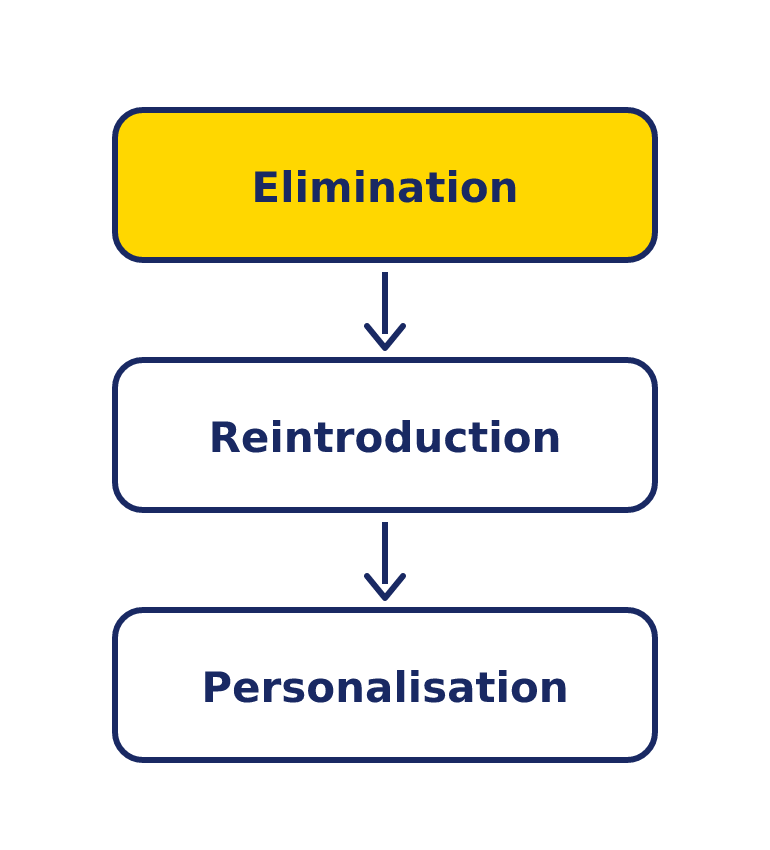
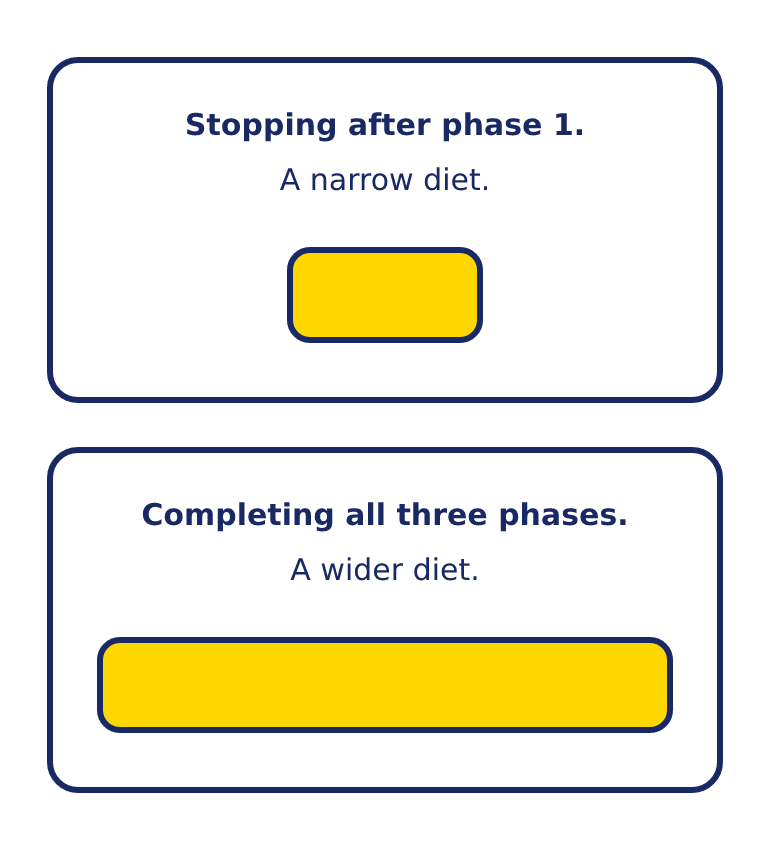
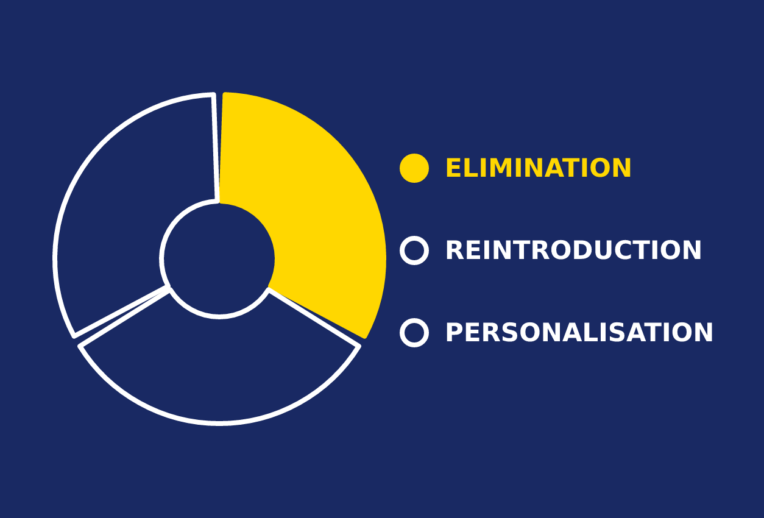
In practice though, I see that many people only complete the first part of a three-part process. This first phase is the restriction phase, where many patients suddenly feel better. Without the right support, they may end up staying here – sometimes for years. Unfortunately, this can have negative consequences, not just for their enjoyment of food and life, but also on their gut health.
I trained in the low-FODMAP diet at King’s College London, one of the institutions that has helped to grow the evidence base for this approach. Since then, I have guided many patients through the full process at The Gut Health Clinic. What I often see is that the diet works, but what can fail people is the absence of structured support through all three phases – despite NICE guidance stating that support should come from a Registered Dietitian2.