


Does bloating regularly get in the way of your day? If so, you’re not alone: this gut bugbear is extremely common. That doesn’t make it any less distressing though, especially when it affects how you feel and you have no idea what’s causing it. And to make matters worse, there’s a lot of misinformation online about how to deal with it. Follow the wrong advice, and it may not only worsen your bloating in the long run but also keep you from science-backed strategies proven to actually help.
The truth is, there’s no silver bullet for bloating. It would be great to find the one supplement, tea or food to cut out that fixes everything. But bloating often comes from a complex mix of factors, and everyone has different triggers. The good news? Simple, science-backed diet and lifestyle changes can make a real difference.
So, if you want to get smart about your bloating, here are 7 things you should know. Let’s digest…
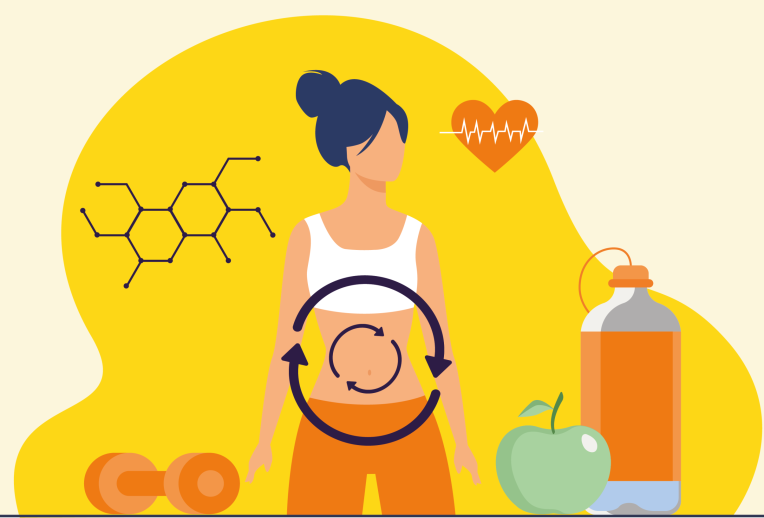
 In simple terms, bloating is a feeling of increased pressure in your intestine, sometimes with a visible swelling (what you might call a ‘food baby’). Two of the most common causes are built-up pressure from the sheer volume of food or fluid you’ve eaten, and gas produced by the trillions of bacteria in your gut (your gut microbiome) when you eat large amounts of certain high-fibre foods. These might include legumes (such as chickpeas), veggies (such as cauliflower) and fruit (such as cherries).
 2. And when should I be worried about it?
 From
 4. Restrictive eating is not a solid long-term strategy
 5. Prebiotics might do more harm than good
 6. Where your bloating is located tells you a lot