


Pregnancy and early motherhood can feel like a whirlwind of advice, especially when it comes to supplements. One scroll online or trip to the pharmacy and suddenly you’re faced with dozens of products all promising “optimal health” for you and your baby. But when it comes to supplements, more isn’t always better. Here’s what actually matters, and what you can safely worry less about.
Supplements for mums and babies: what truly matters (and what doesn’t)

By The Gut Health Doctor Team

Pregnancy: the nutrients worth paying attention to?
Your body is doing something extraordinary during pregnancy, so it’s completely normal for nutrient demands to shift. While getting a variety of food across the Super Six should always be the foundation, there are several nutrients that deserve special attention.
Folate: the non-negotiable
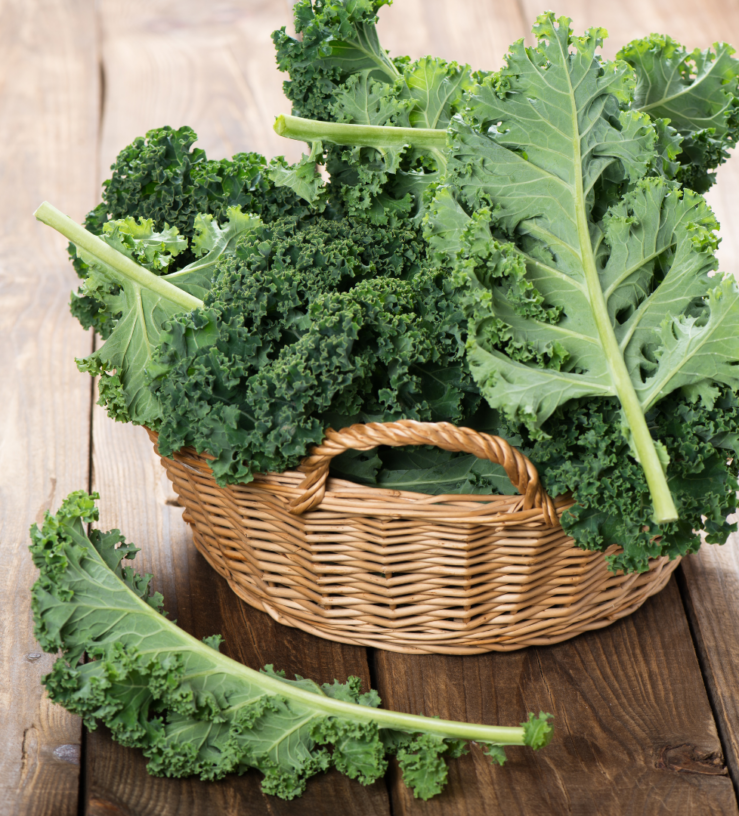
Folate requirements double during pregnancy, especially from pre-conception through the first trimester. Why? Because folate plays a critical role in your baby’s early brain and spinal cord development. While foods like leafy greens, beans and lentils contain folate, supplementation acts as an important safety net during this key developmental window.

Choline: the overlooked nutrient
Choline doesn’t get nearly enough attention, despite being essential for brain development, memory function and placenta health. Many prenatal supplements contain very little choline, or none at all. Eggs are one of the richest dietary sources (2 eggs contain around 70% of your daily pregnancy needs), but if you’re plant-based or not regularly eating choline-rich foods, you may struggle to meet recommended intakes through diet alone (450mg/day during pregnancy, and 550mg/day when breastfeeding).
Omega-3s: supporting your baby’s nervous system
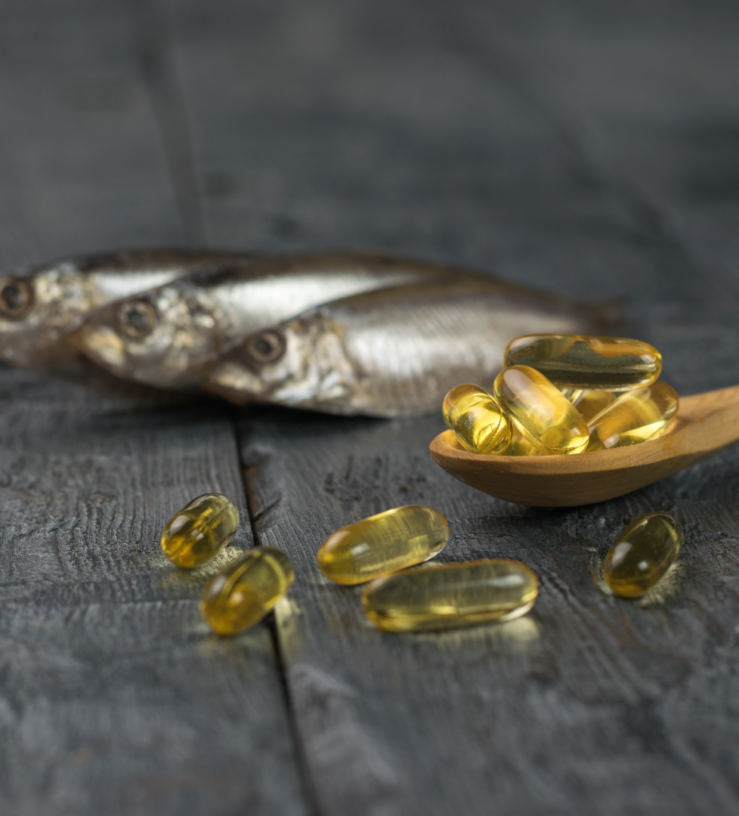
Omega-3 fats are important for your baby’s brain and nervous system development. The ideal food-first approach is aiming for one to two servings of oily fish per week (avoiding high mercury options such as king mackerel and swordfish). But if fish isn’t something you eat regularly, a high-quality omega-3 supplement can help bridge the gap (just check it contains fairly even amounts of both DHA and EPA, these are the two key types of omega 3 fatty acids).

Vitamin D: even in summer
Vitamin D supports immune function, bone health and energy levels. In the UK, guidance recommends 10 micrograms daily throughout pregnancy, even in summer months if you usually cover most of your skin when you’re outside, or you have black or brown skin.
Iodine: easy to miss
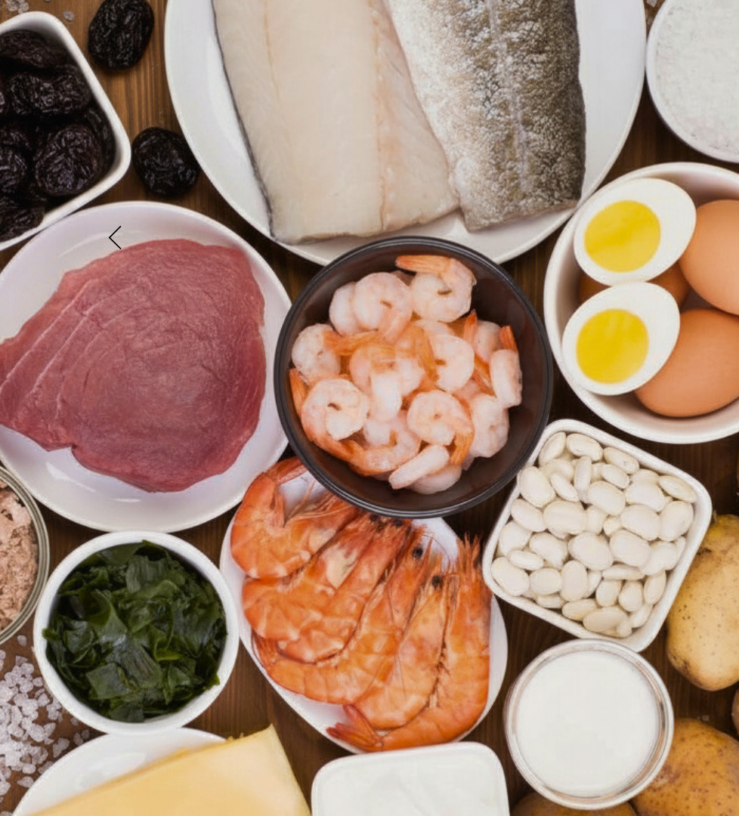
Iodine is equally important because it supports thyroid function and your baby’s brain development. While many people meet their needs through dairy and seafood, plant-based diets can sometimes fall short.
Iron: more isn’t always better
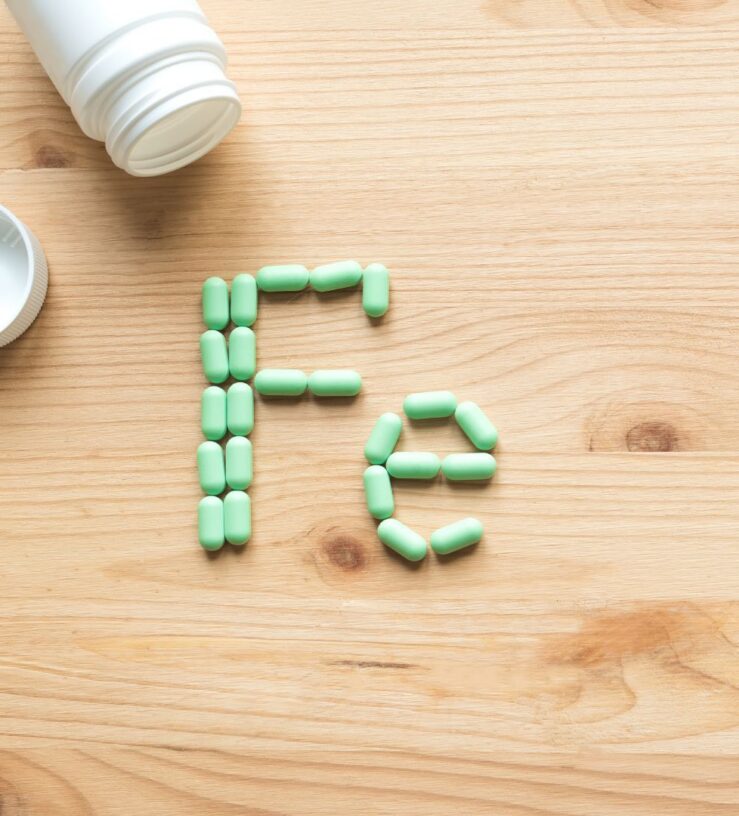
Iron is essential for oxygen transport and supporting your energy levels. But unlike folate, routine high-dose iron supplementation isn’t automatically beneficial. In fact, unnecessary iron supplements can cause side effects including nausea, constipation and stomach discomfort. That’s why iron supplementation should generally be guided by testing and personalised advice, rather than guesswork.
Supporting your immune system during pregnancy
 Did you know pregnancy naturally recalibrates your immune system? This can leave some people more vulnerable to infections like colds and flu. And because around 70% of the immune system lives in the gut, your gut microbiome plays an important role here. Probiotics can offer valuable support, but strain specificity matters enormously here – you need the right strain (type of bacteria), at the right time (for a specific need), in the right way (dose and format).
For example, human clinical trials using the combination of the two probiotic strains, BB-12 and LGG, have shown, that compared to placebo (a fake intervention) they can help:
- Reduce the duration of colds and flu by 2 days
- Lessen symptom severity by over 30%
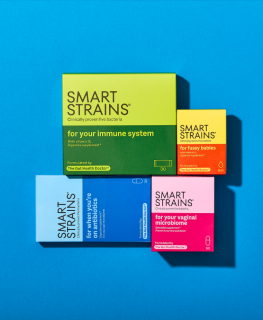
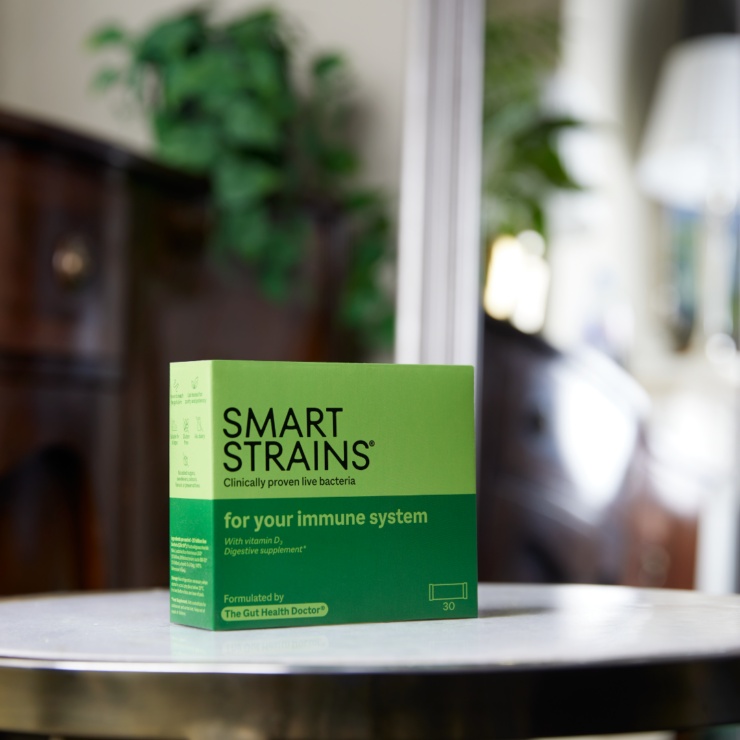
But this is where probiotic science often gets oversimplified. The benefits seen in studies are linked to specific strains, not just any generic probiotic product you find on supermarket shelves. Unfortunately, packaging and marketing don’t always make this clear. The above, clinically proven formulation, is exactly what you’ll find in SMART STRAINS for your immune system.
 Alongside supplements, the foundations still matter most:
- Eating a diverse range of plants
- Prioritising sleep
- Managing stress
- Gentle daily movement
These lifestyle habits remain some of the most powerful ways to support the gut–immune connection.
Protecting your microbiome during pregnancy and birth
Your microbiome isn’t just important for you; it may also help shape some of your baby’s earliest microbial exposures. This becomes particularly relevant if antibiotics are needed during pregnancy or delivery, which is common, especially with C-sections.
While antibiotics can absolutely be lifesaving, they can also disrupt the gut microbiome. In these situations, the LGG probiotic strain is recommended by the World Gastroenterology Organisation to support gut balance during and after antibiotic use (and it was one of Megan’s pregnancy bag essentials for this reason).
Early life: supplements that support baby development
Once your baby arrives, the supplement conversation changes slightly.
Vitamin D: recommended from birth
Once your baby arrives, UK and most global guidelines advise supplementing with vitamin D from birth, as it supports bone and muscle health, immune function and gut lining health. Children aged 0-4 years are at particularly high risk of deficiency due to lower stores and reduced sun exposure, which is why supplementation is often recommended year-round during these ages (country dependant).
Vitamins A and C: the NHS “safety net”
In the UK, there’s also a “safety net” approach. The NHS recommends vitamins A and C for children aged 6 months to 5 years to help address potential gaps due to fussy eating or dietary inequalities.
When should you consider extra supplements?
Beyond these core recommendations, supplements should always be needs-based, not routine. Take calcium as an example. Calcium is incredibly important for bone and teeth development as well as muscle and nerve function. But high-dose supplementation can interfere with the absorption of other nutrients like iron and should be used only when advised by a healthcare professional.
Do children need multivitamins?
In most cases, healthy children eating a varied diet do not need routine multivitamins. Food remains the best source of nutrients because it also provides a diverse range of fibres and beneficial plant compounds that support overall health and the gut microbiome.
What does the science say about probiotics in babies and children?
This is where specificity becomes critical again. There’s no evidence that a “one-size-fits-all” probiotic works for every child or every symptom. However, there are three areas where research is particularly promising.

1. Infant colic
The BB-12 strain (at a dose of 1 billion daily) has been shown to significantly reduce crying and fussing, halving episodes in almost three times as many babies compared to placebo. It was also shown to increase sleep by over an hour per day. For exhausted parents running on little sleep, even small improvements like this can feel enormous.
2. Immune health
A combination of BB-12 and LGG has been associated with fewer respiratory infections during the first year of life compared with placebo. Again, this highlights why strain specificity matters so much in probiotic science.
3. Antibiotic support
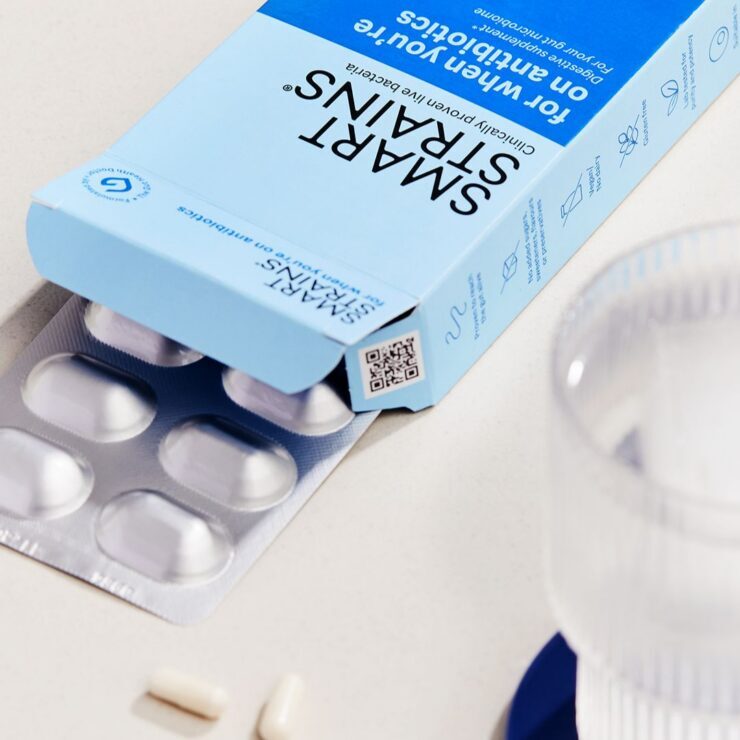
For children prescribed antibiotics after age 4, the LGG strain can help support the gut microbiome during and after treatment.
You can find these exact strain formulations in SMART STRAINS.
When to seek professional advice
While supplements can absolutely play a role, they should never replace personalised medical or nutritional care. Speak with a qualified healthcare professional if you or your little one experiences:
- Persistent fatigue
- Ongoing digestive symptoms
- Poor growth
- Feeding difficulties
- Suspected nutrient deficiencies
- Recurrent infections
Testing and individual assessment are often far more effective than self-prescribing multiple supplements (which can get expensive pretty quickly!).
Takeaway
When it comes to supplements during pregnancy and early life, simpler is often smarter. Focus on evidence-backed nutrients, targeted probiotic strains when needed, and personalised advice. And remember, supporting your gut health during this stage isn’t about perfection. It’s about small, sustainable habits that nourish both you and your growing family. If you need more personalised support during your pregnancy and beyond, our team of gut specialist dietitians at The Gut Health Clinic can help.
Related articles


By Eloise Garbutt
PCOS, nutrition and gut health: how your diet can support hormones, insulin and the microbiome

By The Gut Health Doctor Team
Why your burping and wind spike over the festive season (and what actually helps)
By The Gut Health Doctor Team
Fear vs. freedom: why your gut wants you to relax around food
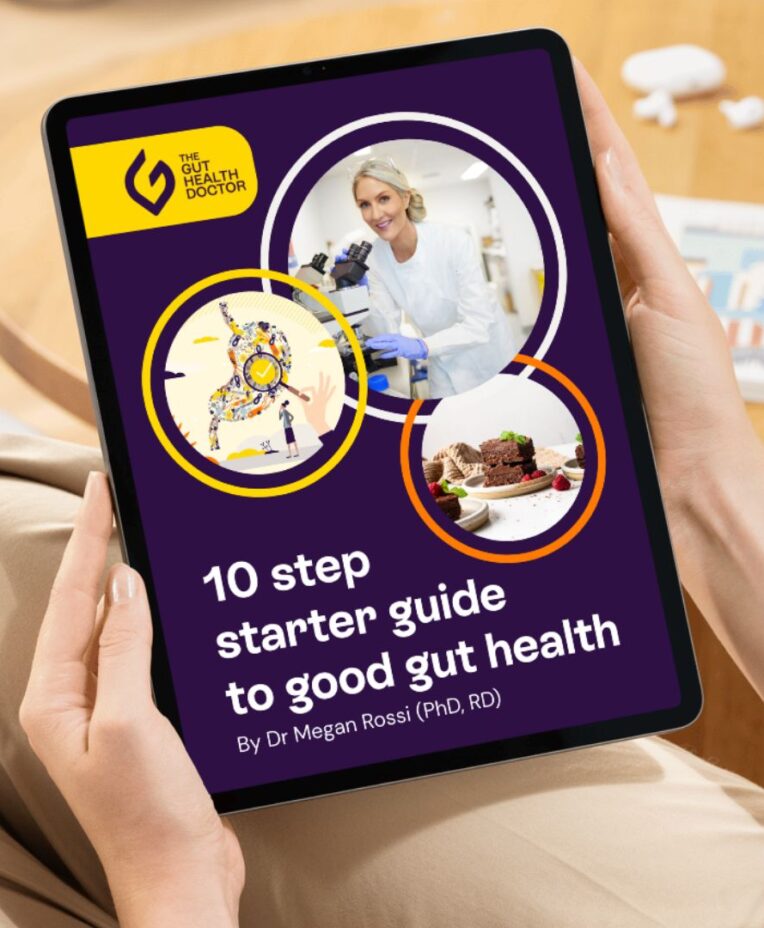
Free 10 step starter guide to good gut health
Everything you need to get started, in one download.
- The four principles behind good gut health, in plain English
- Plant points, and why 30 a week is the number that matters
- 10 practical steps, from fibre and sleep to stress and supplements
- Four gut-loving recipes and a goal-setting worksheet
Over 100,000 people have already joined. Get science-backed gut health advice from Dr Megan Rossi (PhD, RD, APD).