


Okay, so this is a REALLY important chat to have. The last thing I want is for anyone to be put off the idea of including more plants in their diet, and in turn risk starving their gut microbes!
So why might you struggle with upping your plants, but have no issues with foods like meat, fish and refined carbs such as white rice?
It’s because the latter are mostly digested higher up in your gut by human enzymes – unlike plants, which are mostly digested by your gut microbes. To be able to enjoy eating your health-giving plant foods + reap their benefits, you need two things!
- Microbes that have the necessary enzymes to digest plants – If you go from a low fibre to a high fibre diet, fast, you may get a little more bloating etc as your body adjusts- your gut needs time to adapt to the change (and produce enough of the right plant-digesting enzymes). If you do get some gut symptoms rest assure, they are not damaging your body. TIP: Introduce plants SLOWLY- say, 1/4 cup of beans (double-rinsed) each day or 1/4 piece of the fruit that you feel bloats you.
- A relaxed gut – An uptight gut can be caused by mental stress (hello gut:brain axis), or because your gut has recently been irritated by something e.g a tummy bug or COVID19 like some of my clients. In this scenario, your gut tends not to be efficient at absorbing gas made by your gut microbes while digesting fibre, and in turn it gets ‘trapped’ in the gut – triggering bloating, etc. TIP: As well as introducing fibre slowly, de-stress your gut with gut-directed yoga or belly breathing (both in my first book!). The science shows these can really help your digestion.
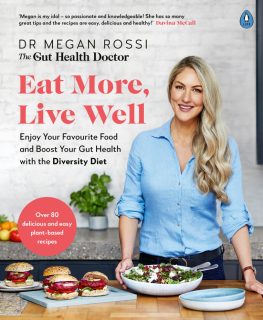
There are loads more tips on this + the Sensitive Gut menu plan in Eat More, Live Well.
The takeaway
Unless you have a diagnosed allergy, you CAN eat plants, even if they give you symptoms, right now.
It’s just a case of working gently with your gut to create an environment in which they can be broken down with ease. It may take more time for you, than others, but trust me it will pay off!